
AI
Securing AI Agents With Information-Flow Control: The Silent Boundary
Information-flow control stops data leakage by tagging every byte, ensuring sensitive inputs never mix with public outputs in autonomous systems.
Everything InfoSec Ledger has reported about data privacy: 8 stories, newest first. Part of our Privacy & Policy coverage.
Information-flow control stops data leakage by tagging every byte, ensuring sensitive inputs never mix with public outputs in autonomous systems.

True anonymization fails because modern re-identification techniques can link stripped data points back to specific individuals with alarming accuracy.
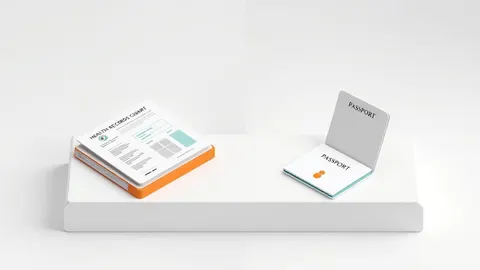
These frameworks protect different data types with distinct scopes, requiring separate compliance strategies even when systems overlap in a single organization.

PitchBook data reveals robotics companies raised $48 billion this year while collecting human task data from homes and offices to train AI systems.

Your website’s analytics tools may trigger consumer privacy rights even if you never collect personal data directly from your users.

Browser tracking scripts often bypass basic firewalls, silently mapping your customer’s behavior and exposing your network to subtle data leaks.

Unlike a PIN, biometric data cannot be changed if stolen, turning a convenient shortcut into a permanent identity risk that persists across all services.
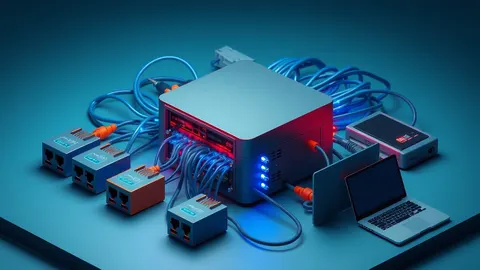
Connecting an AI agent to your internal systems creates a new attack surface that traditional perimeter defenses cannot see or block.